How to save on your Pool

Learn how to save on your pool. If you are a pool owner you are aware of the need to save, not just on water but also on the energy consumption associated with your pool operation and maintenance.
However, it’s also true that not everyone knows how to achieve this.
SUSTAINABILITY AND EFFICIENCY
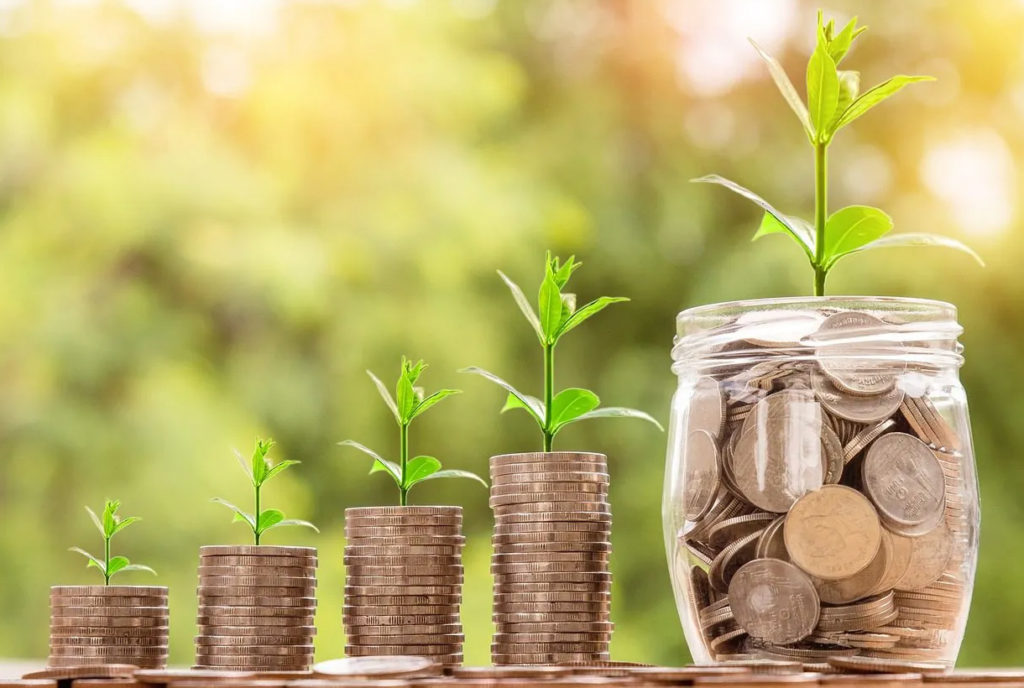
In this article, we aim to help by providing some ideas and examples that can increase the sustainability and efficiency of your pool while reducing associated costs as much as possible.
REDUCING WATER AND ENERGY CONSUMPTION
As mentioned before, we shouldn’t focus solely on saving water, although this is extremely important. We should also aim to reduce the energy consumption linked to our pool.
In both cases, not only will our wallet notice the difference, but so will the water quality, as saving doesn’t imply a loss of quality. In fact, by properly maintaining the pool with the right equipment, we can enjoy healthier water.
This is crucial for saving. The longer we can maintain the water in perfect condition, the less we will need to drain and refill it. To achieve this, following a set of guidelines and using certain products or equipment is highly recommended:
NIGHTTIME FILTRATION, DURING LOW SUN EXPOSURE OR LOW ELECTRICITY CONSUMPTION HOURS
One of the main problems with pools is water evaporation. The higher the water temperature and sun exposure, the greater the evaporation, which also leads to more consumption of chemicals used to maintain the water.
That’s why, if we carry out the filtration process at night, its effectiveness will increase. Furthermore, electricity rates are often lower during the night, making this method even more cost-effective.
COVERING THE POOL
Covering the pool is an important consideration, whether with a winter cover, a solar cover, or any other type of cover depending on the intended use.
A pool cover or a pool enclosure significantly reduce water evaporation, leading to savings. It also helps keep the pool cleaner, maintain the water temperature, and, in most cases, increase safety.
USING VARIABLE-SPEED PUMPS OR FREQUENCY INVERTERS
The use of variable-speed pumps is gradually gaining ground in the market, although their main drawback is the price difference compared to standard filtration pumps. A more affordable alternative is the use of frequency inverters that can be adapted to the existing filtration pump. Nowadays, frequency inverters specifically designed for pools are available. This eliminates the need to use inverters initially designed for multiple purposes, which can be more complex to operate.
Likewise, there are various models of variable-speed pumps available with different technical features and price ranges.
The main advantage of these products is that they allow us to adjust the pump’s power to meet specific needs. This way, we avoid running the pump at the same power and thus the same consumption throughout the entire filtration period, which typically results in excessive power usage and unnecessary costs.
NEW DISINFECTION SYSTEMS
Although the use of chemical products is well-established in the market, more and more pools are equipped with alternative disinfection systems such as saline chlorination, ultraviolet, or hydrolysis systems. These reduce the need for chemical products, leading to higher water quality and durability, and less frequent need for water replacement.
TIMERS OR CONTROL SYSTEMS
There are numerous devices available, ranging from basic timers to schedule filtration hours, to more advanced systems. These systems, connected to pool equipment through home automation, allow for full remote control, optimizing all equipment usage to achieve lower consumption and higher water quality.
ELECTRIC POOL CLEANERS
Proper cleaning of pool water is essential for better quality and prolonged use. A few years ago, hydraulic pool cleaners became popular, which use the pool’s filtration pump power to operate. Although they effectively clean the pool, they have two major drawbacks.
First, since they use the pool’s filtration pump, they consume electricity.
Second, by using the pool’s filtration system, they clean the water, but the debris remains in the filter. This means you need to periodically backwash and rinse the filter, wasting pool water and requiring additional water to maintain the correct level.
For all these reasons, electric pool cleaners are highly recommended. They generally consume less electricity and require fewer hours of operation to achieve the same cleaning as hydraulic cleaners. Additionally, electric cleaners have their own filter, so once it’s full, you only need to empty and clean it, without using the pool’s filtration system.
More about how to save on your pool…
REGULAR MAINTENANCE (CLEANING SKIMMERS, PUMP BASKETS, PREFILTERS, ETC.)
The longer you go without maintaining your pool, the more likely you’ll face extra expenses down the line. Regular maintenance helps keep the water in perfect condition for longer. Therefore, it’s advisable to check the skimmer baskets, filtration pump basket, or prefilters (if applicable), to avoid debris buildup that could pass into the filter, forcing more frequent backwashing. Also, the cleaner the pool, the less chance of wear and tear, meaning the same water can be used for longer.
Some professionals suggest stopping filtration outside the swimming season, covering the pool, and using shock treatments to restore the water when you want to swim again.
Others recommend maintaining filtration year-round, reducing daily filtration hours or filtering more hours but only once a week.
We prefer the second option, especially if your pool uses saline chlorination or other systems that require less chemical input. This way, out-of-season consumption is very low and compensates for not having to spend more on chemicals when swimming resumes.
BETTER FILTRATION MEDIA
In our market, sand filters are the most widely used. However, over time, they lose filtration capacity and eventually need to be replaced. Other filtration media are now available that often surpass the cleaning capacity of silica sand and maintain effectiveness for longer periods.
LED OR LOW-CONSUMPTION LIGHTING
Many pools have underwater lighting, mostly halogen. Switching to low-consumption technologies like LED lights will reduce electricity consumption and increase the lifespan of the lamps. This is another important way of how to save on your pool.
HEATING THE WATER USING MORE ECO-FRIENDLY SYSTEMS
It’s becoming more common for pool owners to consider heating their pools to enjoy them longer. To maintain a pleasant water temperature, efficient heating systems are recommended. For instance, pool heat pumps often use only 20% of the electricity consumed by other electric heaters.
Similarly, solar-powered heating systems can be very effective, especially in sunny locations (solar panels lose efficiency in cloudy areas with weak sun exposure).
DON’T DRAIN THE POOL
Unless it’s absolutely necessary due to water quality issues, draining the pool is not recommended.
From a structural point of view, the water in the pool acts as resistance against the external ground pressure on the pool walls.
Also, when you drain the pool, you’ll need to refill it, consuming more water and incurring additional costs (unless you have a well, but even then, consider the environmental impact).
COLLECTING RAINWATER
Although this may not be feasible in many cases, collecting rainwater can be a way to use “free water” when possible.
Some of these recommendations about how to save on your pool require a significant initial investment for equipment, but in our opinion, they pay off. After a relatively short time, the benefits compensate for the initial expense.
In short, let’s learn how to save on our swimming pool, and enjoy it even more.
We leave you with some examples to make your swimming pool more sustainable and efficient.